

Shadow AI in Insurance: How Undocumented AI Undermines NAIC Exhibit A
Shadow AI breaks the NAIC evaluation tool's Exhibit A inventory. What ungoverned AI use means for insurers, and a 30-day plan to close the gap.
In-depth guides to NAIC and state AI regulation, compliance programs, and how AI is used across insurance operations, organized by topic.
How to Build an AI Governance Program in Insurance
NAIC guidance, state laws, and federal moves, plus how to build a program that meets them.
Shadow AI breaks the NAIC evaluation tool's Exhibit A inventory. What ungoverned AI use means for insurers, and a 30-day plan to close the gap.
What Executive Order 14365 does, why McCarran-Ferguson still shields state insurance AI rules, how the NAIC responded, and what carriers should do now.
A practical NAIC-aligned checklist for AI vendor risk assessment: due-diligence questions, contract clauses, and the ongoing monitoring insurers must keep.

Colorado replaced its AI Act with SB 26-189, a disclosure-and-recourse law effective Jan 1, 2027. What changed, what survived, and what insurers must do now.
What NYDFS Circular Letter No. 7 requires for AI and external data in underwriting and pricing: scope, the proxy test, the 15-day notice, and vendor audits.

UnitedHealth is investing $3 billion in AI. Here's what its prior authorization and denial systems mean for NAIC AI governance and your own compliance program.

What the NAIC AI Systems Evaluation Tool asks across Exhibits A to D, in what order, and where carriers tend to fall short before an exam.

What the NAIC AI Model Bulletin requires in 2026, the four pillars of the AIS Program, and where to start before an exam tests your AI governance.
AI Use Cases in Insurance by Business Line (Governance Map)
How AI is used across claims, underwriting, and pricing, plus what regulators expect.

How health insurers use AI in prior authorization, claims adjudication, and risk adjustment. What the NAIC, CMS, and recent litigation mean for governance.

How homeowners insurers use AI, aerial imagery, and catastrophe models to price property risk, and what state regulators now require for transparency.

How life insurers use AI in accelerated underwriting and what regulators now require for proxy testing, fairness, and documentation.

How reinsurers use AI in treaty pricing, catastrophe modeling, and contract analysis. What model transparency and capital governance mean for risk carriers.
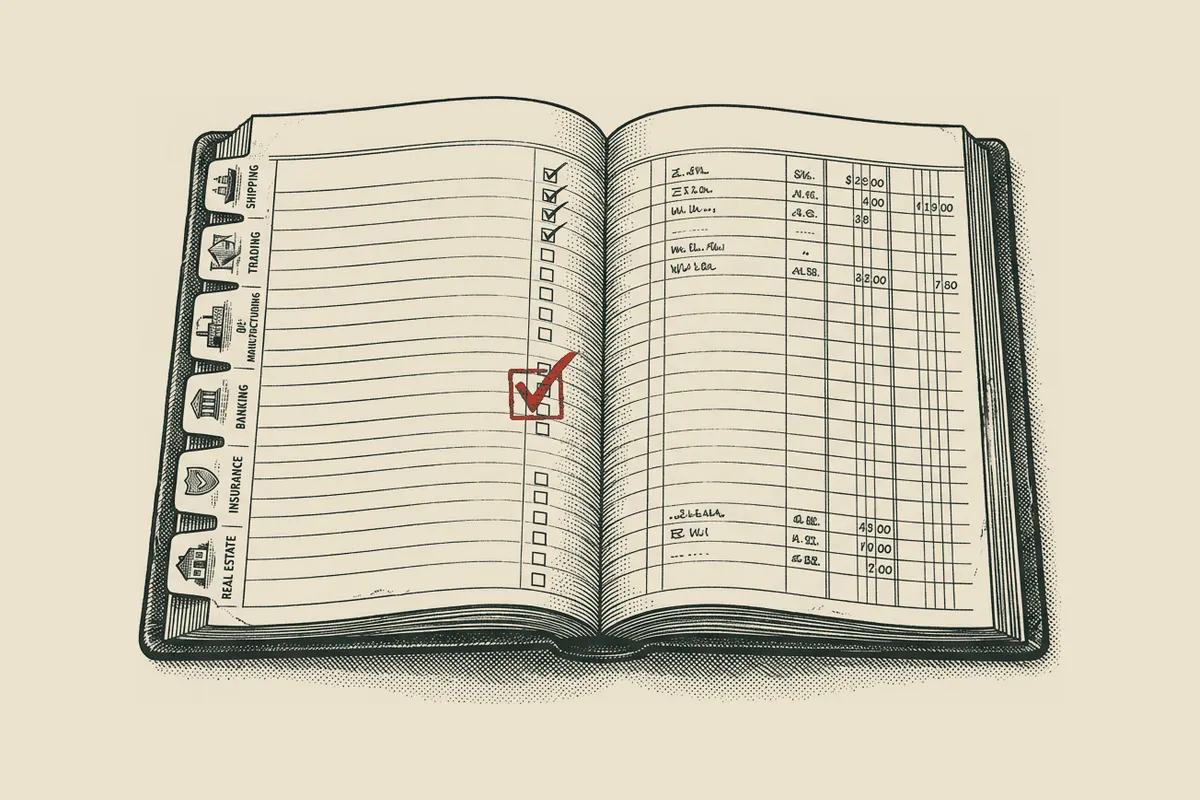
Map your insurance AI systems by line of business for NAIC Exhibit A. Use this template to capture underwriting, pricing, claims, fraud, and customer service AI.

Producer services AI sits in NAIC Exhibit A. Learn how insurers use AI for lead scoring, producer onboarding, licensing, and product recommendations.

Insurance AI pilots often fail at scale because organizations focus on the model rather than outcomes, workflow integration, and oversight. A readiness checklist.

84% of US health insurers use AI. What health insurance AI governance requires: prior authorization, the NAIC Model Bulletin, and state rules in one framework.

How AI in underwriting works across P&C, life, and health lines, what the NAIC evaluation tool expects, and how to prove your models are fair and traceable.
Why the NAIC Evaluation Tool's Exhibit C focuses on agentic AI in claims, and the governance documentation carriers discover they are missing.